Craving that perfect, crispy panini but worried about what might be lurking in your kitchen appliances? You’re not alone. In today’s health-conscious world, choosing a Non Toxic Panini Press has become a top priority for many home chefs. It’s about more than just a delicious sandwich; it’s about making choices that support your well-being without sacrificing flavor or convenience. Let’s dive into why ditching the dubious chemicals is a game-changer and how to find the ideal press for your healthy culinary adventures.
What is a Panini Press and Why You Need One (Beyond the Toxins)
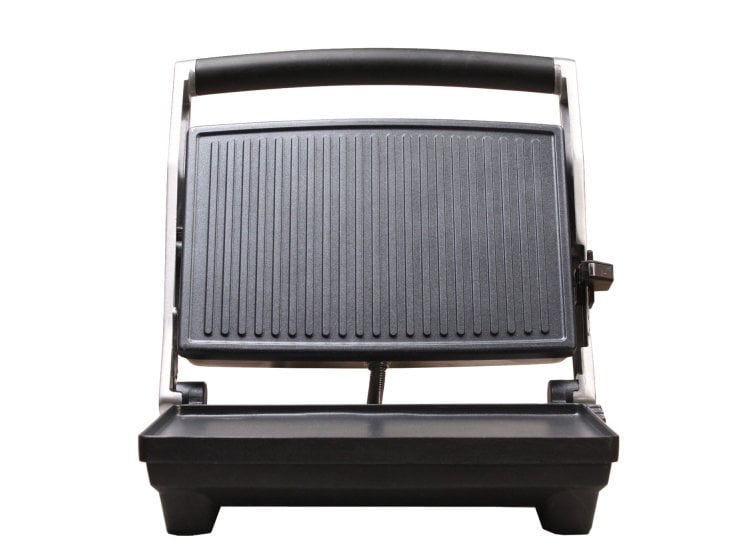
A panini press is far more than a simple sandwich maker; it’s a versatile kitchen workhorse designed to toast, grill, and heat a variety of foods quickly and efficiently. At its core, a panini press features two heated plates that clamp down, applying even pressure and heat to whatever you place inside. This creates that signature crispy exterior and warm, melty interior we all adore in a panini.
Beyond sandwiches, these devices are fantastic for grilling vegetables, making quesadillas, toasting bagels, or even searing thin cuts of meat and fish. They offer a fast-track to delicious, café-style meals right in your own kitchen. But as we embrace the convenience, it’s crucial to consider the materials that come into contact with our food—which brings us to the vital role of a non-toxic design.
The Hidden Dangers: Why “Non-Toxic” Matters
For years, many of us cooked without a second thought about the coatings on our cookware. Traditional non-stick surfaces, often made with polytetrafluoroethylene (PTFE), commonly known by the brand name Teflon, made cooking and cleanup incredibly easy. However, the production of these coatings historically involved perfluorooctanoic acid (PFOA), a chemical that has raised significant health concerns. While PFOA has largely been phased out, a new family of “forever chemicals,” per- and polyfluoroalkyl substances (PFAS), are still used in some non-stick coatings and are also under scrutiny for potential health impacts.
When we talk about a non toxic panini press, we’re specifically looking for products free from these chemicals—PFOA, PFAS, and PTFE—as well as other heavy metals like lead and cadmium. These substances, especially when heated to high temperatures or when coatings begin to chip, can potentially leach into your food or release harmful fumes, posing risks to both human and pet health. Opting for a non-toxic press means you can cook with peace of mind, knowing your delicious meal isn’t coming with unwanted chemical side effects.
History and Evolution of the Panini Press: A Focus on Safety
The panini, a humble grilled sandwich, originated in Italy. The concept of pressing bread with fillings between hot surfaces is ancient, but the modern electric panini press gained popularity in the late 20th century as a convenient way to replicate café-style results at home. Early models often featured basic non-stick coatings, prioritizing convenience above all else.
However, as scientific understanding of chemical impacts on health grew, so did consumer awareness and demand for safer alternatives. This led to an evolution in appliance manufacturing. Today, leading brands are innovating with materials like cast iron and advanced ceramic coatings that are explicitly marketed as PFOA, PFAS, lead, and cadmium-free. This shift reflects a broader industry movement towards healthier, more sustainable kitchen solutions, ensuring that your quick lunch can be truly worry-free.
Decoding Non-Toxic Materials: Your Guide to a Healthier Press
When selecting a non toxic panini press, the material of the cooking plates is the most critical factor. Here’s a rundown of the safest and most popular choices:
Cast Iron Panini Presses
Cast iron is a classic for a reason. It’s naturally non-toxic, incredibly durable, and provides excellent heat retention and distribution, leading to wonderfully crispy paninis with perfect grill marks.
- Pros: 100% natural, no synthetic coatings, lasts a lifetime, great searing capabilities. Often pre-seasoned with vegetable oil, which creates a natural non-stick surface.
- Cons: Heavier than other options, requires regular seasoning to maintain its non-stick properties and prevent rust. Can take longer to heat up. Many cast iron options are stovetop presses, requiring a separate heat source.
Ceramic Panini Presses (PFOA/PFAS-Free)
Modern ceramic non-stick coatings have become a popular non-toxic alternative. These are distinct from traditional non-stick and are specifically engineered to be free from PFOA, PFAS, lead, and cadmium.
- Pros: Good non-stick performance, often lighter weight than cast iron, relatively easy to clean. Many electric models feature removable, dishwasher-safe ceramic plates.
- Cons: The non-stick properties may degrade over time, especially with harsh cleaning or high heat. It’s crucial to verify that the ceramic coating is indeed certified free of harmful chemicals. Brands like GreenPan and GreenLife often use “Thermolon Volt ceramic” or “healthy ceramic non-stick.”
Stainless Steel Panini Presses
While less common for the actual cooking plates in home models, stainless steel is a highly durable and non-reactive material often used for the body of electric panini presses. For plates, it’s generally found in commercial-grade units or as a base for other coatings.
- Pros: Extremely durable, easy to clean, non-reactive with food.
- Cons: Can be expensive, and without an additional non-stick coating, food is more likely to stick, requiring more oil or butter.
Choosing Your Non-Toxic Panini Press: Key Considerations
Beyond the material, here’s what to look for when selecting your ideal non toxic panini press:
- Type: Do you prefer an electric press for countertop convenience and consistent heating, or a stovetop/manual cast iron press that can be used on a burner or even a grill? Electric models often offer more features like temperature control.
- Plate Design: Some presses have ribbed plates for classic grill marks, while others have flat plates for more uniform cooking. Some models, like the Cuisinart Griddler, offer reversible plates (grill and griddle) for ultimate versatility.
- Size and Capacity: Consider how many sandwiches you typically make at once. Compact models are great for singles or couples, while larger presses can accommodate family meals.
- Adjustable Temperature Control: For electric presses, this feature is invaluable, allowing you to fine-tune the heat for different foods, from delicate vegetables to thick sandwiches.
- Floating Hinge: A floating hinge is a must-have. It allows the top plate to adjust to the thickness of your food, ensuring even pressure and consistent cooking, whether you’re pressing a thin pita or a thick Reuben.
- Ease of Cleaning: Look for models with removable, dishwasher-safe plates. Even with non-stick surfaces, stubborn residue can accumulate, so easy cleanup is a huge plus. A drip tray to catch excess grease is also beneficial for healthier cooking and less mess.
Using Your Non-Toxic Panini Press Effectively (and Safely)
Getting the most out of your non toxic panini press is easy with a few simple techniques:
- Preheat Properly: Always preheat your press thoroughly. For electric models, wait for the indicator light to signal it’s ready. For cast iron, heat it on the stovetop until hot. Proper preheating ensures even cooking and those coveted grill marks.
- Lightly Oil (If Needed): Even with non-stick ceramic or seasoned cast iron, a light brush of olive oil or butter on your bread can enhance flavor and crispiness.
- Don’t Overfill: While a floating hinge helps with thicker items, overfilling can lead to uneven cooking and fillings squeezing out.
- Press and Wait: Place your sandwich or food on the bottom plate, lower the lid, and let the press do its work. Cooking times vary, but most paninis are ready in 3-7 minutes, depending on your desired crispness and internal warmth.
- Clean with Care: Always unplug electric presses and let them cool completely before cleaning.
- For ceramic plates: Wipe with a damp cloth or sponge. If removable, wash in warm soapy water or place in the dishwasher. Avoid abrasive scrubbers.
- For cast iron: Scrape off any food residue with a non-metal scraper while still warm. Wipe clean, then apply a thin layer of cooking oil to maintain seasoning. Avoid soap, especially for newly seasoned cast iron.
Beyond the Basics: Delicious Non-Toxic Panini Recipes
Your non-toxic press opens up a world of culinary possibilities. Here are a few ideas to get you started:
Classic Grilled Cheese Panini
The ultimate comfort food, elevated.
- Ingredients: Sliced sourdough or artisan bread, cheddar and Gruyère cheese, a thin spread of Dijon mustard (optional), butter for the outside.
- Method: Butter one side of each bread slice. Assemble with cheese and mustard. Press until golden brown and cheese is perfectly melted.
Mediterranean Veggie Panini
A fresh and healthy option packed with flavor.
- Ingredients: Whole wheat focaccia or ciabatta, roasted red peppers, grilled zucchini slices, fresh spinach, crumbled feta cheese, a drizzle of balsamic glaze.
- Method: Lightly toast the bread. Layer ingredients and press until warm and slightly crispy.
Chicken Pesto Panini
A hearty and popular choice that’s surprisingly quick to make.
- Ingredients: Ciabatta rolls, cooked chicken breast (sliced), basil pesto, fresh mozzarella slices, a few sun-dried tomatoes.
- Method: Spread pesto on bread. Layer chicken, mozzarella, and sun-dried tomatoes. Press until cheese is melted and bread is golden.
Pro Tip: Always use fresh, high-quality ingredients. The beauty of homemade panini is your control over what goes in, ensuring a truly healthy and delicious meal.
Tips and Tricks for the Perfect Panini Every Time
- Choose the Right Bread: Crusty breads like ciabatta, focaccia, and sourdough work wonderfully. Avoid overly soft breads that can become too dense.
- Don’t Overstuff: While tempting, too much filling can prevent even heating and make the panini difficult to eat.
- Layer Smart: Place cheeses and ingredients that need to melt closest to the bread.
- Achieve Perfect Grill Marks: Ensure your press is fully preheated. A light brush of oil on the bread also helps.
- Vary Your Fillings: Experiment with different cheeses, deli meats, vegetables, and spreads to discover your signature panini.
The Benefits of Homemade Panini: Healthier & Tastier Options
Making paninis at home with a non toxic panini press offers numerous advantages. You have complete control over the ingredients, allowing you to opt for fresh, organic produce, lean proteins, and whole-grain breads, avoiding the preservatives and excessive sodium often found in store-bought or restaurant versions. This control also extends to your cookware, ensuring no harmful chemicals compromise your meal. It’s a cost-effective way to enjoy gourmet-quality food, tailor-made to your taste and dietary needs, fostering a healthier and more adventurous culinary journey.
Serving Ideas and Panini Pairings
Paninis are incredibly versatile and pair well with a variety of sides. For a light lunch, serve your panini with a fresh green salad, a simple tomato soup, or a vibrant fruit salad. If you’re looking for something heartier, consider sweet potato fries, a pasta salad, or even a side of roasted vegetables. A refreshing glass of iced tea or a sparkling fruit juice makes for a perfect beverage companion.
Frequently Asked Questions
Q: Are all non-stick coatings toxic?
A: No, not all non-stick coatings are toxic. While older Teflon (PTFE) coatings were a concern due to PFOA in their manufacturing, many modern non-stick coatings, especially ceramic-based ones, are certified PFOA, PFAS, lead, and cadmium-free. Always look for clear labeling to ensure the coating is genuinely non-toxic.
Q: How do I season a cast iron panini press?
A: To season a cast iron panini press, wash it with warm water and a stiff brush (avoid soap if possible). Dry thoroughly, then apply a very thin, even layer of high smoke point cooking oil (like flaxseed or grapeseed oil) to all surfaces. Wipe off any excess, then heat the press in a hot oven (around 450-500°F / 230-260°C) for an hour. Let it cool slowly. Repeat this process a few times for the best results.
Q: Can I use parchment paper on my panini press?
A: Yes, using parchment paper on your panini press is an excellent way to prevent sticking and make cleanup even easier, especially with gooey fillings. It also adds an extra layer of protection between your food and the cooking surface, which can be particularly reassuring if you’re concerned about older, potentially less safe coatings.
Q: What’s the difference between a panini press and a sandwich maker?
A: While often used interchangeably, a panini press typically has flat or ribbed plates that apply even pressure and heat across the entire sandwich, resulting in a thin, crispy, grilled texture. Traditional sandwich makers often seal the edges of the bread and cut the sandwich into triangles, creating a sealed pocket for fillings. Panini presses are generally more versatile for grilling other foods.
Q: How do I clean a non-toxic ceramic panini press?
A: After your ceramic panini press has cooled, simply wipe the plates with a soft, damp cloth or sponge. For stubborn food residue, you can use a little warm water and mild dish soap. If the plates are removable and dishwasher-safe, you can place them in the dishwasher. Avoid using abrasive scrubbers or harsh detergents that could damage the ceramic surface.
Embrace Healthier Grilling with a Non-Toxic Panini Press
Investing in a non toxic panini press is a conscious step towards a healthier lifestyle without compromising on taste or culinary creativity. By choosing materials like cast iron or certified PFOA/PFAS-free ceramic, you’re not just buying an appliance; you’re investing in peace of mind and countless delicious, chemical-free meals. From classic grilled cheese to innovative gourmet creations, your non-toxic panini press will become a cherished tool in your kitchen, inspiring you to experiment and savor every bite. So go ahead, press away, and enjoy the wholesome goodness of homemade paninis!