Tired of soggy sandwiches or plain toast? Imagine elevating your everyday meals with perfectly golden, crispy on the outside, and warm, gooey on the inside creations. That’s the magic a Good Panini Press brings to your kitchen. It’s more than just a sandwich maker; it’s a gateway to a world of culinary delights, transforming simple ingredients into gourmet experiences with ease and speed. If you’re looking to upgrade your sandwich game or simply add a versatile appliance to your countertop, understanding what makes a panini press truly “good” is your first step towards unlocking delicious possibilities.
What Exactly is a Panini Press, and Why Do You Need One?
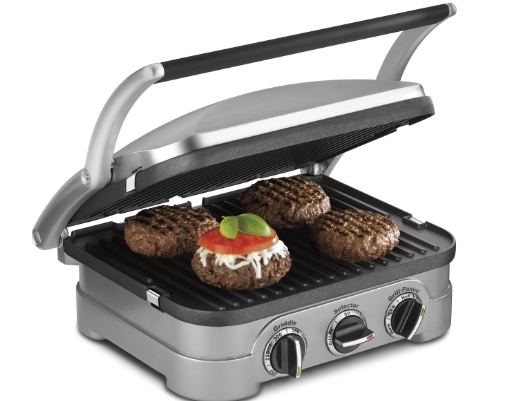
At its core, a panini press is a countertop electric grill designed to toast and warm sandwiches, particularly Italian-style “panini” (which literally means “small breads”). It typically features two heated, hinged plates that press down on your food, providing even heat distribution and often leaving those appealing grill marks. But its utility stretches far beyond just sandwiches. Think of it as a personal indoor grill, a quick toaster, and a quesadilla maker all rolled into one. It’s about convenience, speed, and consistent results, making it an invaluable tool for busy weeknights, quick lunches, or even adventurous brunches.
A Brief History: From Italian Delicacy to Global Sensation
The panini, as a grilled sandwich, has roots deeply embedded in Italian culinary tradition, with mentions of pressed bread and fillings appearing in cookbooks as early as the 16th century. However, the modern panini—and the specialized press to make it—gained international popularity in the 1970s and 80s, particularly in Milanese bars and cafes. These establishments, known as “paninoteche,” became trendy spots for quick, delicious meals. As the love for these warm, crusty sandwiches spread, so did the demand for dedicated appliances. The humble panini press evolved from heavy, industrial machines to the sleek, user-friendly models we see in homes today, cementing its status as a global kitchen essential.
What Makes a Panini Press “Good”? Key Features to Look For
When you’re on the hunt for a good panini press, it’s not just about aesthetics. The real value lies in its features, which directly impact performance, versatility, and ease of use. Here’s what to consider:
Plate Material and Design (Flat vs. Ridged)
The material and design of the cooking plates are crucial. Many presses feature non-stick surfaces, making them easy to clean and requiring less oil. Cast iron plates are durable and retain heat exceptionally well, but often require seasoning and more meticulous cleaning. As for design, ridged plates are iconic, creating those classic grill marks and helping to drain a little fat. Flat plates offer full contact, which can be better for heating wraps or achieving an all-over toast without deep ridges. A good panini press might even offer reversible plates or interchangeable options.
Temperature Control and Power
A press with adjustable temperature settings gives you greater control over your cooking. Lower temperatures are perfect for gently warming delicate items, while higher settings ensure a crisp, golden finish on thick sandwiches or quick grilling of meats. High wattage typically means faster preheating and better heat retention, which is a sign of a high-performing unit. Look for clear indicator lights that tell you when the press is preheated and ready to go.
Adjustable Height and Floating Hinge
This feature is a game-changer. A floating hinge allows the top plate to adjust to the thickness of your food, ensuring even pressure across irregularly shaped items or super-stuffed sandwiches. Without it, thicker paninis might be squished unevenly, leaving some parts perfectly toasted and others barely touched. A good panini press should have a mechanism that allows the top plate to hover or lock at different heights, accommodating everything from thin tortillas to chunky focaccia.
Size and Capacity
Consider your typical usage. Are you usually making one sandwich for yourself, or do you need to feed a family? Panini presses come in various sizes, from compact models perfect for single servings and small kitchens to larger ones that can handle two or even three sandwiches at once. Think about your counter space and storage options too.
Ease of Cleaning (Removable Plates, Drip Trays)
Let’s be honest, no one likes a complicated cleanup. A truly good panini press will make post-meal tidying simple. Look for models with removable, dishwasher-safe plates. If the plates aren’t removable, a non-stick coating is essential for easy wiping. A built-in drip tray or channel to catch excess fats and liquids is also a huge plus, preventing messes on your countertop.
Choosing the Right “Good Panini Press” for Your Lifestyle
With so many options, how do you pick the best one for you? It boils down to your personal needs and how you envision using it. If you’re a minimalist cook who only wants to make a classic panini now and then, a basic model with fixed non-stick plates might suffice. But if you’re an aspiring home chef who loves to experiment, a multi-functional press that doubles as a contact grill or griddle, complete with adjustable temperature and a floating hinge, would be a much better fit.
“A truly good panini press isn’t just about the brand; it’s about how well its features align with your cooking habits,” advises Chef Isabella Rossi, a renowned culinary expert. “Consider if you’ll be grilling chicken, making breakfast sandwiches, or just toasting gourmet paninis. Your needs will dictate the best choice.”
Budget is always a factor, but remember that investing a little more in a durable model with the right features often pays off in the long run through better performance and longevity.
Mastering Your Panini Press: Tips for Perfect Results Every Time
Getting the most out of your good panini press is easy with a few simple tricks.
Preheat Like a Pro
Always preheat your press! Just like a regular grill or oven, a properly preheated panini press ensures even cooking and that coveted crispy exterior. Most presses have an indicator light that signals when it’s ready.
The Art of Bread and Filling Selection
While almost any bread can be pressed, ciabatta, focaccia, sourdough, and thick-sliced country bread are fantastic choices that hold up well to the heat and pressure. For fillings, balance moisture with drier ingredients. Cheeses melt beautifully, and thin slices of meat and vegetables work best.
Don’t Overfill!
It’s tempting to load up your panini, but overfilling can prevent even heating and cause fillings to ooze out, creating a mess. Aim for a balanced sandwich that can be comfortably pressed.
Apply Even Pressure
Let the press do the work! The floating hinge on a good panini press will help, but resist the urge to violently slam it shut. Gentle, even pressure allows for consistent browning and melting.
Post-Press Perfection
Once your panini is golden brown and the cheese is melted, remove it promptly. A brief resting period (1-2 minutes) allows the sandwich to set, preventing fillings from spilling when you slice it.
Beyond the Sandwich: Creative Uses for Your Good Panini Press
The versatility of a good panini press is one of its most understated qualities. Don’t let it gather dust between sandwich sessions!
Grilled Vegetables
Quickly grill slices of zucchini, eggplant, bell peppers, or asparagus. A little olive oil and seasoning, then a few minutes in the press, yields tender, flavorful results perfect for salads or as a side dish.
Quesadillas, Wraps, and Burritos
Layer cheese and your favorite fillings between tortillas, then press until golden and melted. It’s faster and often less messy than a skillet.
Breakfast Bonanza
Transform leftover hash browns into crispy patties, or make perfect French toast sticks. You can even gently cook bacon or sausages.
Chicken, Fish, and Halloumi
Thinly sliced chicken breasts, fish fillets, or halloumi cheese can be quickly cooked to perfection, offering a healthy and fast protein option.
Healthy Eating with Your Panini Press: Smart Choices at Home
One of the great benefits of having a good panini press is the ability to control your ingredients, making healthier choices easier. You can opt for whole-grain breads, load up on fresh vegetables, and use lean proteins like chicken or turkey. Panini presses often require less oil than pan-frying, further cutting down on fat. By customizing your meals at home, you can create delicious and nutritious dishes tailored to your dietary preferences, proving that fast food doesn’t have to be unhealthy food.
FAQs About Finding a Good Panini Press
Q: How do I know if a panini press is good quality?
A: A good quality panini press typically features durable construction (often stainless steel), robust, evenly heating plates (non-stick or cast iron), precise temperature control, and a sturdy floating hinge mechanism. Reviews and brand reputation are also reliable indicators.
Q: Can a panini press be used as an indoor grill?
A: Absolutely! Many modern panini presses are designed to double as indoor contact grills, capable of cooking meats, vegetables, and other items. Look for models with higher wattage, adjustable temperature, and ridged plates for the best grilling experience.
Q: What’s the best way to clean a panini press?
A: For presses with removable, dishwasher-safe plates, cleaning is a breeze. If plates are fixed, ensure the press has cooled, then wipe down with a damp cloth or sponge. For stubborn bits, a wooden or silicone scraper can help, followed by wiping.
Q: Are expensive panini presses always better?
A: Not necessarily, but higher-priced models often offer more advanced features like greater wattage, more precise temperature control, larger cooking surfaces, and more durable materials. A “good panini press” is one that meets your specific needs and budget, offering a balance of features and performance.
Q: What kind of bread works best in a panini press?
A: Breads with a sturdy crust and a relatively dense crumb, like ciabatta, focaccia, sourdough, or thick-sliced artisan breads, perform exceptionally well. They crisp up beautifully without becoming too flat or soggy, creating that ideal panini texture.
Elevate Your Everyday with a Good Panini Press
A good panini press is more than just a fleeting kitchen gadget; it’s a valuable investment in culinary versatility, convenience, and deliciousness. From quick gourmet sandwiches that rival your favorite cafe to healthy grilled meals and creative breakfast ideas, its potential is truly limitless. So, take the plunge, explore the features that matter most to you, and discover the joy of perfectly pressed creations right in your own kitchen. Your taste buds—and your mealtimes—will thank you.