Are you tired of bland lunches and looking for a way to elevate your everyday meals? The George Foreman Panini Press is more than just a kitchen gadget; it’s a versatile hero designed to transform ordinary ingredients into extraordinary culinary delights. This iconic countertop appliance brings the sizzle and crunch of your favorite cafe-style sandwiches right into your home, making gourmet eating incredibly accessible. Whether you’re a seasoned chef or a cooking novice, mastering this handy press can unlock a world of delicious, quick, and surprisingly healthy options, proving that good food doesn’t have to be complicated.
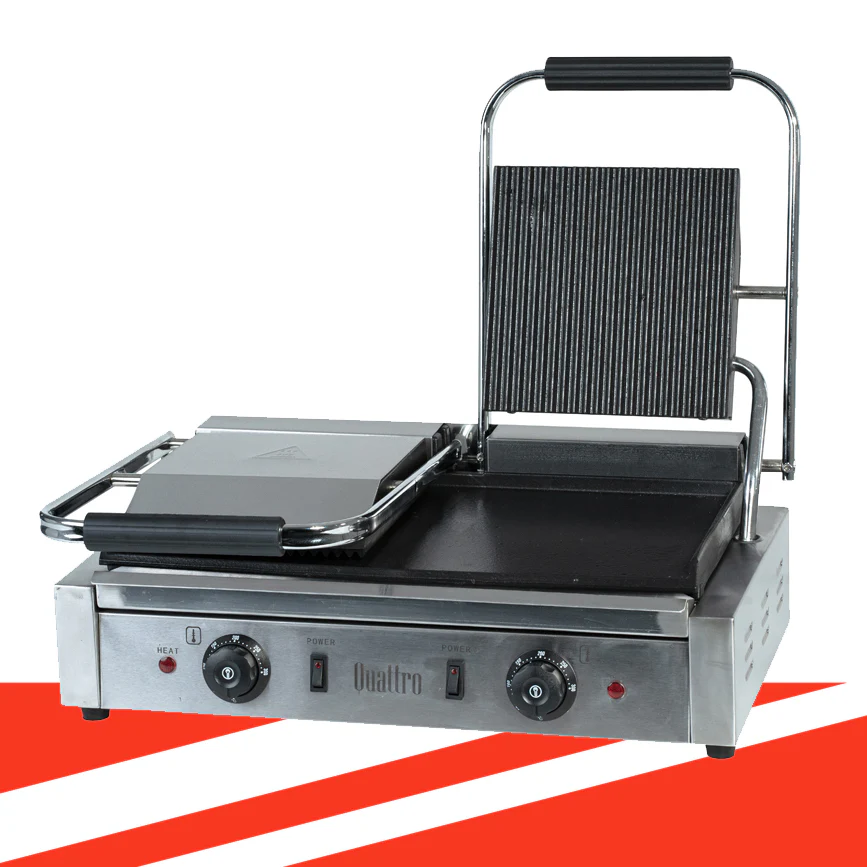
What is a Panini Press and Why You Need One
At its core, a panini press is an electric grill with hinged plates that cook food from both sides simultaneously, applying pressure to create that signature pressed effect. While originally designed for the classic Italian grilled sandwich, the George Foreman Panini Press extends this functionality significantly. It’s not just for panini; think of it as your go-to device for quick grilling, toasting, and pressing a wide array of foods.
You need one because it offers unparalleled convenience and efficiency. Imagine whipping up a hot, crispy sandwich in minutes, or grilling chicken breasts and vegetables with minimal fuss. Its compact design often saves precious counter space, and for many, the included drip tray makes healthy cooking easier by draining away excess fat. It’s a multi-tasking marvel that simplifies mealtime, perfect for busy individuals, couples, or small families.
The Evolution of the Panini Press
While the concept of pressing bread with fillings dates back centuries, the electric panini press as we know it gained widespread popularity in Italy before making its way to kitchens globally. The George Foreman Grill, first introduced in the mid-1990s, quickly became a household name, initially famed for its “lean, mean, fat-reducing grilling machine” capabilities. Its sloped design and dual-contact heating were revolutionary, offering a healthier way to cook meats.
It wasn’t long before home cooks realized the natural synergy between the George Foreman Grill and the art of panini making. Its hinged plates and direct heat were perfect for creating those crispy, melty sandwiches. Over the years, George Foreman adapted, releasing models specifically highlighting their panini press functionality, embracing this dual identity that many users had already discovered. This evolution cemented its place not just as a grill, but as a beloved, versatile panini maker too.
Choosing Your George Foreman Panini Press: Models and Features
George Foreman offers a range of models, each with slightly different features to suit various needs. Two popular options often lauded by users include the George Foreman 2-Serving Classic Plate Electric Indoor Grill and Panini Press and the 4-Serving Removable Plate Grill and Panini Press.
When selecting your press, consider these key features:
- Removable Plates: This is often cited as a game-changer for cleanup. Models like the George Foreman 4-Serving Removable Plate grill feature plates that pop off and are often dishwasher-safe, making post-meal tidying a breeze.
- Floating Hinge: Essential for panini, a floating hinge allows the top plate to adjust to the thickness of your sandwich or other foods, ensuring even cooking and optimal pressure. This prevents thinner sections from being undercooked and thicker parts from being squashed unevenly.
- Drip Tray: A signature George Foreman feature, the sloped grill surface directs excess fat and juices into a removable drip tray, promoting healthier cooking and making cleanup easier.
- Non-Stick Coating: Most George Foreman panini presses come with a durable non-stick coating, which is crucial for easy food release and effortless cleaning. Look for advanced coatings that boast extra durability.
- Size: Consider how many servings you typically need. A 2-serving model is perfect for individuals or couples, while a 4-serving unit can handle larger sandwiches or multiple items.
- Temperature Control: While many basic George Foreman models operate with a simple “on” and “ready” indicator, some advanced models might offer adjustable temperature settings, providing more control over your cooking.
“For home cooks seeking convenience and value, a George Foreman Panini Press is a fantastic entry point into the world of pressed sandwiches and quick grilling,” says Kitchen Appliance Specialist, Mark Chen. “The removable plates, in particular, dramatically simplify the cleaning process, which is a huge bonus for busy lifestyles.”
Mastering Your Machine: Effective Usage of the George Foreman Panini Press
Getting the most out of your George Foreman Panini Press is straightforward, but a few tips can ensure perfectly grilled results every time.
Preheating for Perfection
Always preheat your George Foreman Panini Press. Plug it in, and wait for the indicator light (often green) to signal that it has reached its optimal cooking temperature. This usually takes about 5 minutes. Preheating ensures even cooking and helps achieve those desirable crispy exteriors and distinct grill marks.
Loading Your Panini
Carefully open the hot grill using oven mitts. Place your prepared sandwich onto the bottom plate. Avoid overfilling, as this can lead to fillings oozing out and make it difficult for the lid to close properly and apply even pressure. If you’re making a thicker sandwich, remember that the floating hinge is designed to accommodate it, but extreme thickness can still be an issue for very compact models.
The Art of the Press
Once your sandwich is in place, gently close the top plate. The press will cook both sides simultaneously. The cooking time will vary based on your specific model, the thickness of your ingredients, and your desired level of crispness. For most panini, 3 to 5 minutes is a good starting point. Lift the top plate periodically to check for golden-brown bread and melted cheese. For an extra-crispy exterior, some users lightly butter the outside of their bread or spray it with olive oil before pressing.
Cleaning Made Easy
One of the most praised features of many George Foreman Panini Presses is the ease of cleaning.
- Removable Plates: If your model has them, let the grill cool slightly, then detach the plates by pressing the release buttons. Most removable plates are dishwasher-safe, or you can hand-wash them with warm, soapy water and a soft brush. Avoid abrasive cleaners or metal scouring pads, as they can damage the non-stick coating.
- Drip Tray: Slide out the drip tray and empty any collected grease. It’s usually dishwasher-safe or can be quickly rinsed by hand.
- Exterior: Wipe the exterior of the grill with a clean, damp cloth.
“I can’t stress enough how important it is to clean your George Foreman Panini Press properly,” advises Chef Isabella Rossi. “Not only does it maintain hygiene, but it also preserves the non-stick coating, ensuring your appliance lasts longer and continues to deliver fantastic results.”
Panini Perfection: Essential Recipes and Creative Twists
The versatility of the George Foreman Panini Press truly shines in the kitchen, allowing for endless culinary creativity.
The Classic Cheese Panini
This timeless favorite is always a winner.
- Butter one side of two slices of sturdy bread (like sourdough or ciabatta).
- Place one slice, butter-side down, on the preheated press.
- Layer with your favorite cheese (cheddar, provolone, mozzarella work beautifully).
- Top with the second slice of bread, butter-side up.
- Close the press and cook for 3-4 minutes until the bread is golden and the cheese is delightfully gooey.
Hearty Deli Meat Panini
Elevate your lunch with robust flavors.
- Turkey & Provolone: Combine thinly sliced turkey breast, provolone cheese, a hint of pesto, and roasted tomatoes on Italian bread. This makes for a comforting and savory meal.
- Ham & Salami: Layer Italian bread with Swiss cheese, ham, and salami. A touch of horseradish mustard can add a fantastic kick.
Vibrant Veggie Panini
For a fresh and healthy option, pack your panini with greens.
- Spinach & Feta: A simple mix of fresh spinach, crumbled feta, and a sprinkle of garlic powder on whole wheat bread creates a light yet satisfying panini.
- Roasted Vegetable: Use leftover roasted bell peppers, zucchini, and eggplant with some goat cheese on multi-grain bread for a gourmet touch.
Sweet Sensations
Don’t limit your press to savory dishes!
- Fruit & Chocolate: Spread a thin layer of hazelnut spread on brioche bread, add sliced bananas or strawberries, and press until warm and slightly melted.
Expert Tips for Your Flawless George Foreman Panini
Making a perfect panini is an art, and these tips will help you master it:
- Selecting the Right Bread: Choose sturdy breads like ciabatta, sourdough, focaccia, or baguettes. Soft, thin breads can become overly compressed and dry.
- Butter vs. Olive Oil Spray: While butter provides a classic rich flavor and golden crust, olive oil spray is a great lighter alternative that still promotes crispness. Apply to the outside of the bread.
- Avoiding Soggy Sandwiches: Don’t overload with moist ingredients like fresh tomatoes or sauces. If using them, slice thinly and blot excess moisture, or add them after pressing.
- Utilizing the Drip Tray Effectively: The George Foreman’s sloped design is excellent for draining fat. Always ensure the drip tray is properly in place to catch any run-off, whether you’re making a panini or grilling meats.
- Don’t Force It: The floating hinge will adjust, but avoid pressing down excessively on the lid, especially with very thick sandwiches, as it can strain the hinge and cause fillings to escape.
Beyond the Panini: Exploring Healthy Options and Meal Benefits
The George Foreman Panini Press isn’t just a one-trick pony; it’s a versatile tool for healthier cooking. Its fat-reducing design, which drains away grease into the drip tray, makes it ideal for grilling lean meats like chicken breasts, fish, and even burgers, significantly reducing the fat content compared to pan-frying.
This translates into quick, easy, and healthier meal prep at home. You can grill vegetables for a vibrant side dish, whip up breakfast sandwiches, or even make quesadillas and burritos. The dual-contact cooking speeds up the process, allowing you to prepare nutritious meals in a fraction of the time. It’s a fantastic way to enjoy delicious, homemade food without the guilt or the extensive cleanup.
Serving Suggestions and Perfect Pairings
A perfectly pressed panini deserves equally delightful companions.
- Classic Soup & Sandwich: Pair your panini with a warm bowl of tomato soup, minestrone, or a creamy vegetable bisque for a comforting and complete meal.
- Fresh Salads: A light green salad with a vinaigrette dressing provides a refreshing contrast to the richness of a hot panini.
- Crispy Sides: For a more indulgent experience, serve with a side of sweet potato fries or homemade potato chips.
- Beverage Recommendations: Iced tea, sparkling water with lemon, or a crisp white wine (for adult meals) can beautifully complement the flavors of your panini. For coffee lovers, a latte or cappuccino offers a café-like experience.
Frequently Asked Questions (FAQ)
Can I grill other foods besides sandwiches on my George Foreman Panini Press?
Absolutely! Your George Foreman Panini Press is a versatile indoor grill. You can cook burgers, chicken breasts, fish fillets, vegetables, sausages, and even breakfast items like bacon and eggs (though be mindful of run-off for eggs).
How do I clean my George Foreman Panini Press plates?
If your model has removable plates, allow them to cool, then detach and wash them in the dishwasher or by hand with warm, soapy water and a soft cloth. For fixed plates, wipe them clean with a damp cloth or paper towel while still warm (but not hot) to remove residue, then allow to cool completely for a final wipe. Always ensure the drip tray is emptied and cleaned.
Is it worth buying a dedicated panini press instead of just using my George Foreman grill?
Many George Foreman models serve excellently as panini presses, especially for budget-conscious users or those with limited space. Dedicated panini presses might offer more advanced features like precise temperature controls or larger cooking surfaces, but for most home cooks, a George Foreman Panini Press provides fantastic value and results.
What kind of bread works best for panini on a George Foreman?
Sturdy, crusty breads like ciabatta, focaccia, sourdough, or even thick slices of Italian bread are ideal. They hold up well to the pressing and develop a delightful crisp texture without becoming too flat or dry.
How long does it take to cook a panini on a George Foreman Panini Press?
Typically, a panini will cook in about 3 to 5 minutes, depending on the thickness of your sandwich and your desired level of crispness and internal heat. Always preheat your press for best results.
Conclusion: Elevate Your Everyday with the George Foreman Panini Press
The George Foreman Panini Press has earned its place in countless kitchens worldwide, not just as a grill, but as a gateway to quick, delicious, and healthier meals. From classic cheese melts to inventive gourmet creations, this compact appliance empowers you to elevate your culinary game with minimal effort. Its ease of use, simple cleaning, and fat-reducing design make it an invaluable tool for anyone looking to add variety and excitement to their daily routine. So, plug it in, get creative with your fillings, and prepare to fall in love with the endless possibilities of your George Foreman Panini Press. Embrace the melt, savor the crunch, and transform your everyday cooking into an art form.